
Short-term rental
Renting your primary residence short-term: rules and method
Rent your primary residence short-term: 120-day limit, filing, co-owner rules, taxes, Hostias minimum duration and management method.
10 min · Mis à jour le 20 mai 2026
Renting your primary residence short-term: rules and method
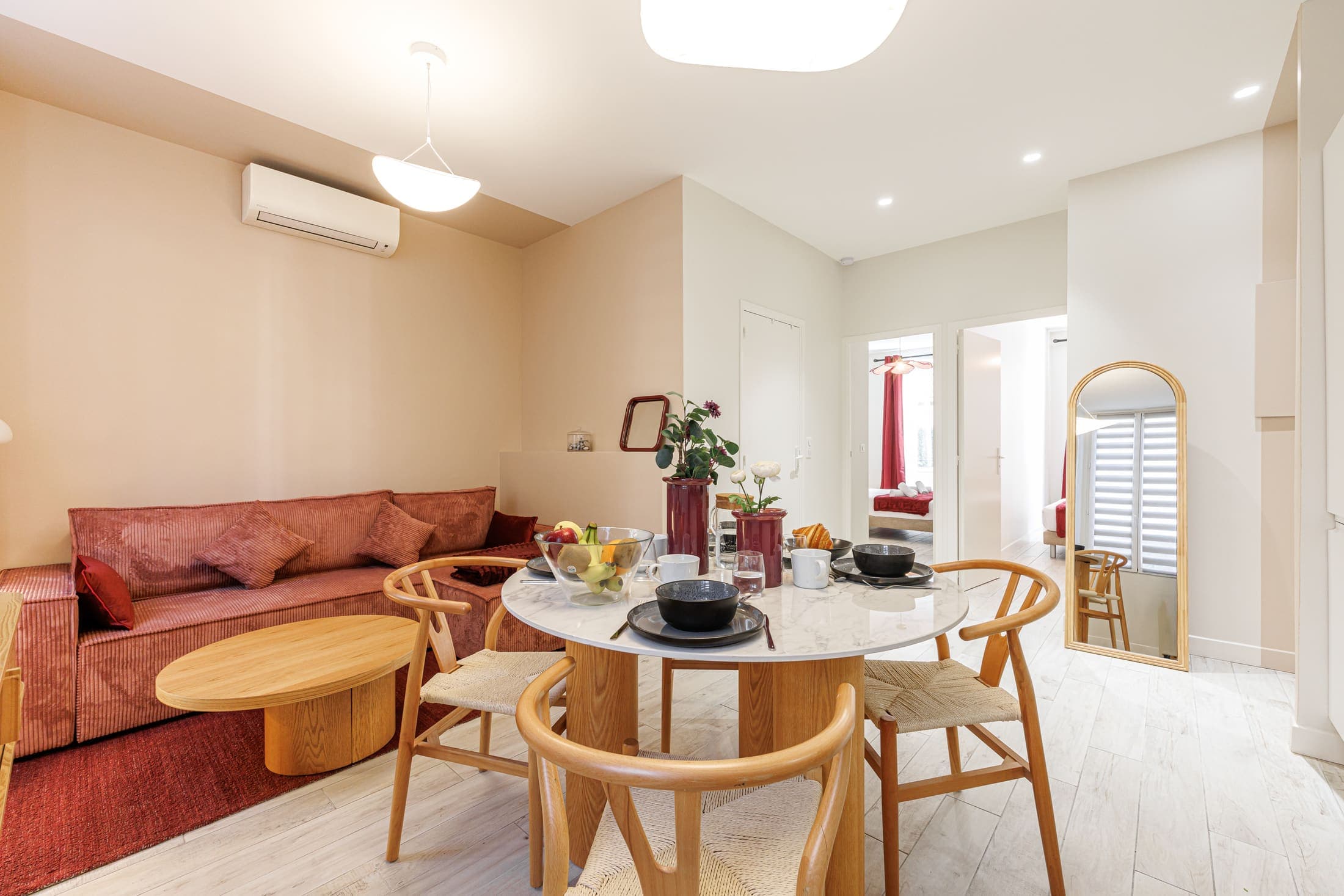
Renting your primary residence short-term can be wise when you leave for weeks and the property sits empty. You finance part of fixed costs, leverage vacant periods and avoid leaving an apartment unoccupied during peak season.
But a primary residence is not a standard rental property. It is your home. It holds your belongings, habits, equipment, sometimes papers and part of your privacy. The question is not just: "how much can I earn?" The real question is: "how do I rent without weakening my property, peace of mind and compliance?"
Hostias supports this type of project when the framework is clear, duration allows real preparation, and rental respects law. For primary residence, we require minimum 3-week stay to ensure coherent organization.
Direct answer: yes, possible under conditions
In France, you can rent your primary residence furnished tourism, but not any way. Reference text includes article L. 324-1-1 of Tourism Code, which governs furnished rentals, filing, registration and primary residence obligations.
The official Service-Public page on renting your primary residence summarizes points to verify before publishing. It must be your starting point, with your town rules and personal situation.
Key points:
- Your primary residence is where you usually live at least 8 months yearly
- Duration limit may apply, often around 120 days yearly per some towns
- Some towns may require registration number
- Co-owner rules must be checked
- Income must be tax-filed
- If you are a tenant, sub-rental authorization needs careful handling
This framework is not a barrier. It prevents improvised decisions, poorly framed ads and post-launch trouble.
Why this is not a secondary residence
A secondary property is often set for absence: fewer personal items, broader calendar, simpler storage, stable rental logic. A primary residence works differently.
Your property is lived in the rest of the year. It holds items you would rather not have touched, private closets, personal setup, sometimes mail, specific equipment or fragile items.
Before opening the calendar, you must define:
- Guest-accessible spaces
- Owner-only or locked storage
- Items to remove from property
- Equipment instructions
- Building and neighbor rules
- People to contact for incident
- Threshold to involve Hostias during your absence
This framing cuts mental load. You do not leave hoping all goes well. You leave with prepared property, clear protocol and local contact.
The 120-day limit: how to understand it
The most cited figure is 120 days. In towns with registration procedure, primary residence furnished rental can be limited to 120 days yearly, except exceptions in rules.
Recent changes also let some towns lower this cap within legal framework. That is why generic rule does not apply without checking your town.
For you, this limit has three practical consequences.
First, your property must truly stay your primary home. If you no longer live there usually, the framework shifts.
Next, calendar must be tracked. You must know rented days, open periods, bookings accepted and possible town or platform limits.
Finally, profitability must calculate over a short window. You do not reason like a year-round owner. You reason over one absence: summer vacation, work trip, foreign stay, long mission, family period.
Town hall filing: registration number needed?
Answer depends on town. Some require filing or registration before listing. Platforms may then demand this number and auto-limit bookings if cap is hit.
Before publishing, check:
- Your town rules
- Current Service-Public guidance
- Exact property status
- Owner or tenant status
- Co-owner rules
- Tax obligations tied to income
Nice and French Riviera deserve special attention. Market is touristic, buildings can be sensitive to coming and going, rules evolve. Responsible management starts before first booking.
If you are a tenant
If you are a tenant of your primary residence, tourism sub-rental is no administrative detail. You must check your lease and get needed approvals. Renting without agreement creates legal and relational risk with your landlord.
This must be settled before ads. Cancelled reservation after booking creates poor guest experience, platform tension and risk to you.
Why Hostias requires at least 3 weeks
Hostias manages primary residence short-term with 3-week minimum stay. This rule protects owner as much as service quality.
Primary residence demands more prep than property already dedicated to rental:
- Site visit or property audit
- Private zone identification
- Removal or securing personal items
- Equipment-specific instructions
- Photo and tailored listing prep
- Pre-stay cleaning setup
- Linens and supplies
- Check-in and building instructions
- Post-departure inspection
- Owner return before your return
For few nights, this prep rarely feels coherent. Mental load is high, commission hard to balance, turnover increases risks. From 3 weeks, project becomes more rational: fewer entries and exits, better prep, more stable guest, clearer net revenue.
Different commission
Commission differs from standard full-year management. Service is different.
On primary residence, work is concentrated: much upfront framing, short window, more caution for property, organized owner return. Rate thus depends on actual scope:
- Exact rental duration
- Prep level needed
- Property standing
- Access complexity
- Private space count
- Services included: listing, pricing, welcome, cleaning, linens, follow-up, post-stay return
The goal is not hidden price. Rather, it avoids pretending primary residence manages like empty standardized apartment.
Prepare your property without spoiling it
Good method separates three zones.
Guest zone groups what is accessible, clean, organized and useful for stay: bed, bathroom, kitchen, living area, equipment, wifi, dedicated storage.
Owner zone groups what stays private: papers, clothes, personal objects, non-guest products, closed closets, mail, sensitive equipment.
Sensitive zone groups what needs explanation: AC, heating, parking, terrace, garbage, common areas, noise, mailbox, access, keys, appliances.
The clearer these zones, the more guest respects space. Good prep does not make property cold. It makes it legible.
Prefer longer stays
For primary residence, long stay often suits better than short-stay succession.
It reduces:
- Manipulation of personal items
- Repeated cleaning
- Late arrivals
- Co-owner tension
- Turnover breakage risk
- Time managing micro-incidents
It improves revenue quality too. A three- to four-week booking can fund one absence without turning property into permanent business.
Hostias services involved
Airbnb listing management must be precise: highlight property value without masking primary residence status.
Guest welcome explains property function tactfully. Guest should feel welcomed, not intrusive.
Short-term rental cleaning is essential before arrival and after departure. Owner return must be clean, checked and documented.
Owner reporting is central: during absence, you need fast notice when useful, not solicited for each detail.
Revenue optimization must stay measured. On primary residence, goal is good net revenue, not overexploitation.
Common mistakes
- Publish ad before verifying town rules
- Forget co-owner agreement
- Leave too many personal items visible
- Accept stays too short
- Underestimate reset cleaning
- Not define incident rules
- Promise service level property cannot deliver
- Confuse gross and net revenue actually useful
These often stem from: "it is only a few weeks." Exactly: those weeks must be framed.
The Hostias approach
Hostias manages this service cautiously. Your primary residence must stay your primary residence. Rental should fund absence, not make you feel you lost property control.
We frame duration, private zones, cleaning, listing, instructions, decision thresholds, follow-up and post-stay return. If legal or operational framework is not clear enough, we say so before launching.
Conclusion
Yes, you can rent your primary residence short-term, provided you respect applicable framework, local rules, duration limit, co-owner agreement and tax obligations.
But success rests on preparation. Primary residence demands more method than standard rental property. With Hostias, this service is possible from 3 weeks, with commission matched to scope and organization designed to protect property and revenue alike.
To add depth, see our guide on short-term rental regulations in Nice and request a revenue estimate to frame your absence.
Want a read on your property?
Get a free estimate