
Regulations & tax
The 120-day rule for short-term rental
The 120-day rule governs short-term rental of your primary residence. How it works in Nice, what it entails, and key points to watch.
7 min · Mis à jour le 17 juin 2026
The 120-day rule in brief
The 120-day rule caps short-term rental of your primary residence at 120 nights per calendar year. This is the simple answer to a common question about the 120-day Airbnb rule. Beyond this threshold, your property is no longer treated as a primary residence rented seasonally.
This limit is a national framework. It applies throughout France, including Nice and the French Riviera. It targets rentals listed on platforms like Airbnb or Booking.
The stated aim is to protect housing stock for residents. To better understand the broader topic, read our guide for renting your primary residence short-term.
Why this limit exists
A primary residence is the home you occupy for most of the year. The law allows you to rent it occasionally, for example during your absences. The 120-day threshold marks the boundary between occasional use and continuous activity.
Beyond this, rental becomes tantamount to full-time business. The property then falls outside the flexible framework reserved for primary residences. This logic protects the stock of housing available to residents.
In Nice, a heavily touristed city, this is a sensitive topic. Housing pressure makes local vigilance particularly valuable. Tourist-heavy municipalities closely monitor actual property use.
The rule also serves local tax and reporting logic. A property rented occasionally does not follow the same framework as a permanent business activity. Understanding this boundary helps you avoid positioning errors.
How the 120 days are counted
The count is based on nights actually rented in a calendar year, from January 1 to December 31. Only nights booked by travelers enter the calculation. A night when the property sits empty does not count.
Several points deserve your attention:
- The counter resets to zero each January 1.
- Platforms may block a listing as it approaches the limit.
- Tracking is per property, not per guest.
- A precise calendar avoids year-end surprises.
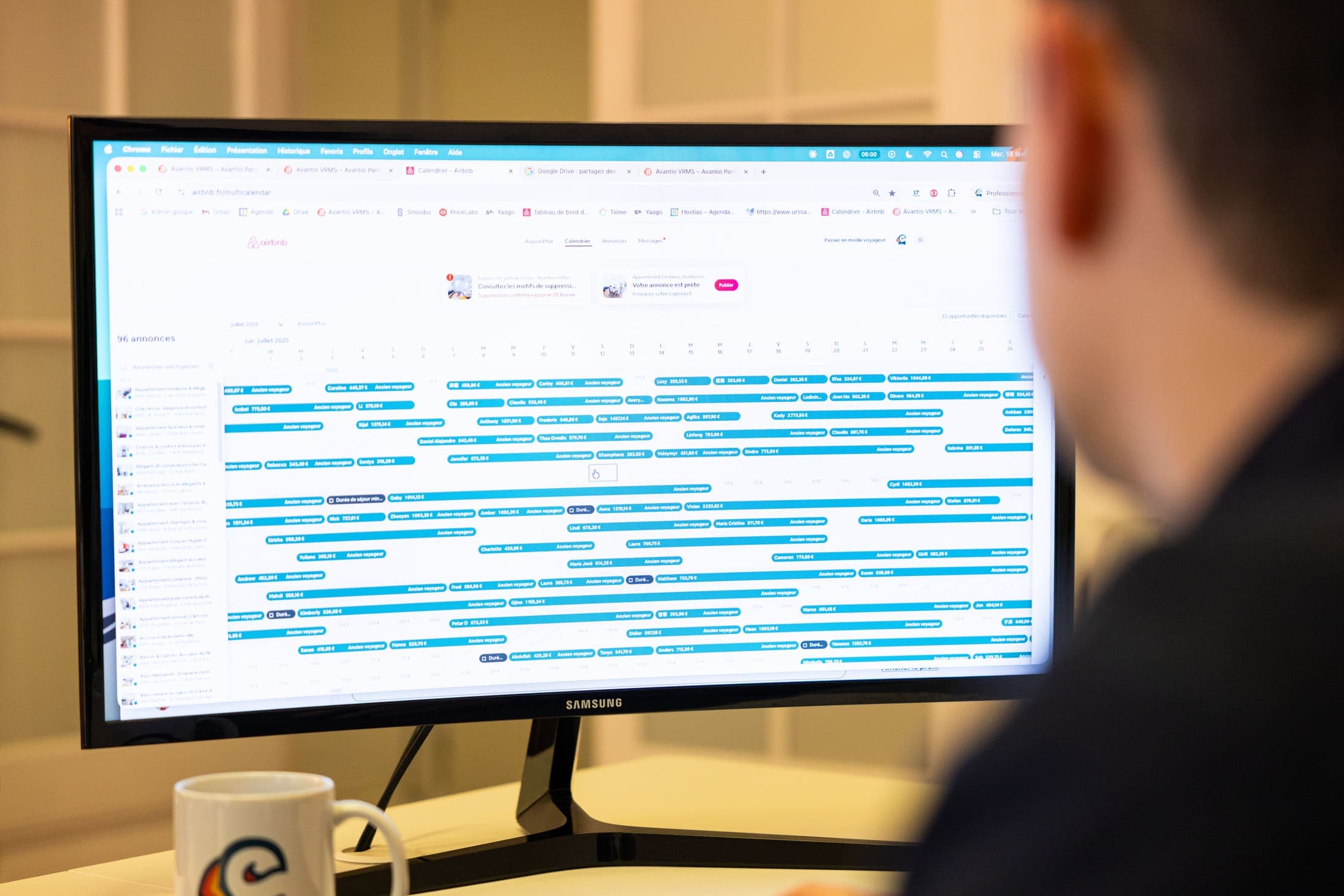
Keeping a clear view of your schedule is therefore essential. This is also what a structured short-term rental concierge in Nice enables.
Some platforms manage this counter automatically for declared primary residences. Other situations require manual tracking on your part. In any case, you remain responsible for respecting the threshold.
A frequent difficulty arises from multiple listings. If you publish the same property on several sites, the nights add up. A single centralized calendar remains the most reliable way to avoid double-booking.
The special case of Nice and its Metropolitan area
The 120-day cap is national, but it does not override local rules. The Nice Metropolitan area requires registration of all holiday rentals. This process results in a registration number to be displayed on your listings.
The two levels combine: the national threshold on one side, local obligations on the other. You must respect both simultaneously. A compliant listing displays its number and stays within the authorized night limit.
To understand the process, rely on the Nice Metropolitan area's online service and the Service-Public website. These official sources are authoritative.
The co-ownership sometimes adds its own constraints. Some bylaws limit or regulate short-term rental, independent of the 120-day rule. Review your bylaws before starting, especially in central buildings.
Neighbors also matter in a dense city like Nice. Clear guidelines for guests reduce tensions and complaints. A well-run operational framework protects your activity long-term.
Primary vs. secondary residence: a critical distinction
The 120-day rule targets only the primary residence. A secondary residence follows a different, usually more demanding regime. Depending on the municipality, a change-of-use permit may be required.
Confusing the two exposes you to errors. Your property's status determines your actual obligations. Before publishing, clearly identify which case applies to you.
This analysis depends on your personal situation. Hostias is not legal or tax advice. To decide, consult official sources and, if needed, a qualified professional.
What is at risk if you exceed the limit
Exceeding the threshold may expose you to penalties. It may also reclassify your property's use, which changes the entire applicable framework. Rules and amounts vary depending on current regulations and the municipality concerned.
We intentionally do not cite any figures here. Penalties evolve and depend on your precise situation. The only reliable reference is the current official source.
To rent beyond 120 days, you generally need to change your framework. This involves other procedures, sometimes substantial depending on the city. Moving to secondary residence or dedicated furnished rental changes your obligations.
Better to anticipate than to react in a rush. Once the limit is reached, your options narrow sharply. Early planning gives you time to choose the right strategy.
Managing rental calmly within the limit
Respecting the threshold is not just counting nights. It requires regular organization and simple reference points. A few good practices make daily management much easier:
- Centralize all your availability in a single calendar.
- Verify your registration number on each listing.
- Check official sources at least once a year.
- Reserve your best dates for high-demand periods.
- Keep written records of your reservations.
This discipline avoids last-minute booking blocks. It also helps you steer your income without crossing the line. A well-run rental builds trust with both guests and neighbors.
If you lack the time, delegating this tracking to a local partner makes sense. A short-term rental concierge in Nice structures your schedule and coordinates stays. You keep the decisions, without bearing the full operational burden alone.
Keeping control of your calendar
Respecting the 120-day rule rests on rigorous tracking. A clear schedule helps you avoid hitting the limit without anticipating it. It also helps you spread your nights across the most productive periods.
In Nice, seasonality matters greatly. Carnival, congresses at Acropolis, and summer peak season concentrate strong demand. Positioning your availability well values each rented night.
To estimate your property's potential within this framework, use our Airbnb revenue estimate for Nice. You keep a realistic view, without unrealistic promises.
Key takeaways
The 120-day rule governs short-term rental of your primary residence throughout France. In Nice, it combines with holiday rental registration. Respecting the threshold requires a closely tracked calendar and regular consultation of official sources.
To dig deeper, read our complete guide for renting your primary residence short-term. If you want to delegate operational tracking, explore our short-term rental concierge in Nice.
Want a read on your property?
Get a free estimate